

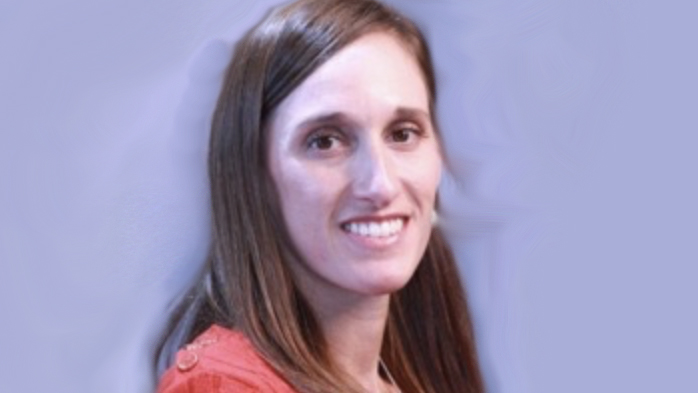
Dr. Jennifer Etnier was selected for the UNCG Academic Advising Excellence, Faculty Advisor Award for 2024.
Kinesiology Chair Jenny Etnier Selected for UNCG Award
Posted on April 06, 2024
Posted on April 06, 2024
Dr. Jennifer Etnier was selected for the UNCG Academic Advising Excellence, Faculty Advisor Award for 2024.
Posted on April 02, 2024
You want (the exercise) to become a habit
Dr. Anne Brady, Kinesiology Professor
Posted on March 26, 2024

In summary, aging well is fundamental for preserving independence, sustaining health and well-being, enhancing quality of life, and serving as a beacon of inspiration for future generations. By embracing healthy lifestyle choices, individuals can strengthen their ability to age well, leading to a fulfilling and enriching life journey.
Posted on March 25, 2024
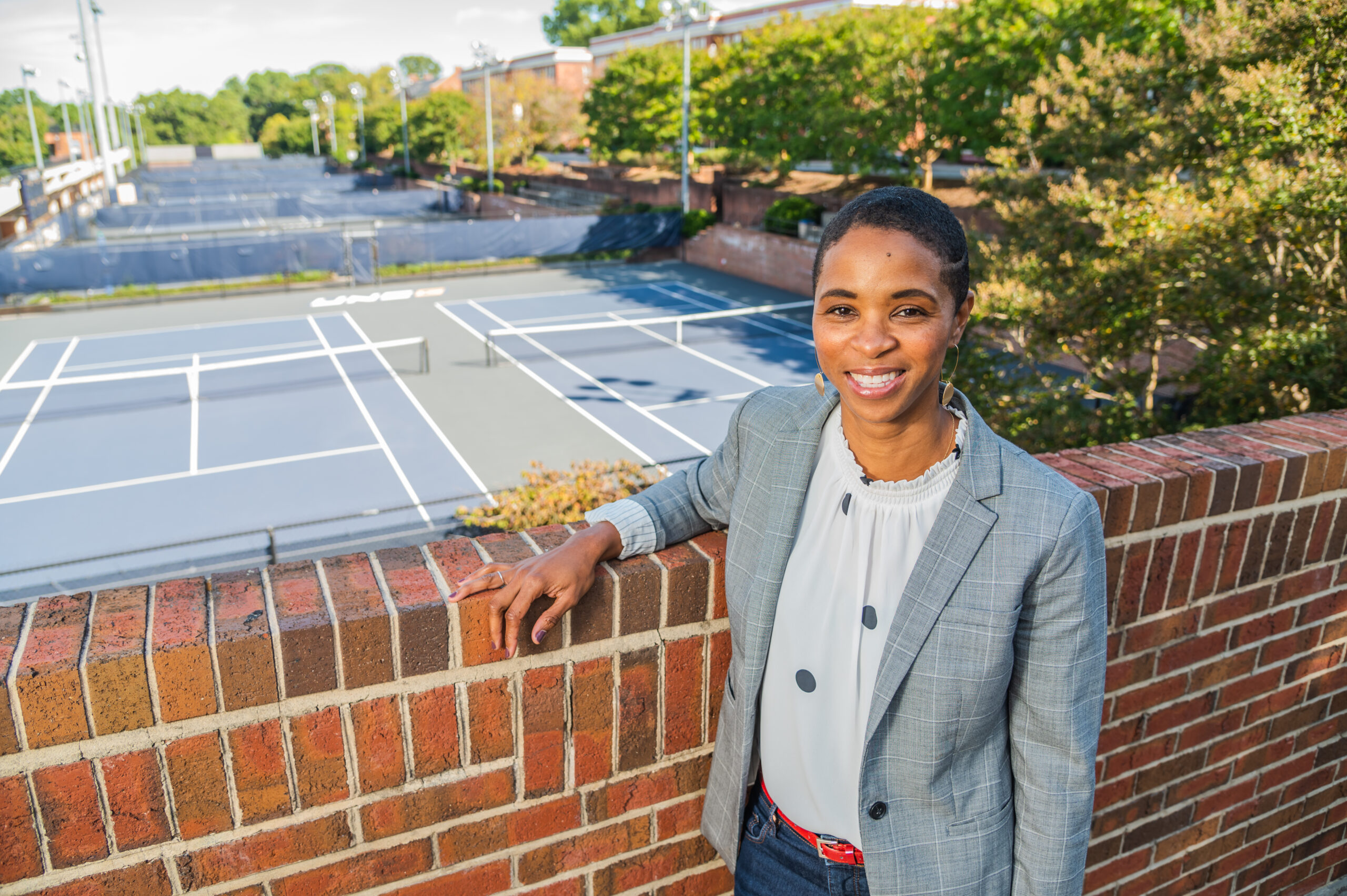
There are so many instances in our daily lives where having a baseline of strength can determine whether or not we can do things independently or if we need to call in help
Dr. DeAnne Brooks
Posted on March 19, 2024

Tuesday, March 19th marks the first day of spring and temperatures are warming. Venturing outdoors to breathe the fresh air and feel the natural sunlight offers an abundance of benefits for both physical and mental health, particularly as we age. Here are five benefits of getting outside for healthy aging:
With the arrival of spring, seize the opportunity to spend more time outdoors and bask in the rejuvenating benefits of nature. Several indoor activities can be done outside such as reading, talking on the phone, or enjoying a cup of coffee. If you plan to spend time directly in the sun, remember to wear a hat and sunscreen to shield your skin from UV rays.
Happy spring!
Posted on February 27, 2024

The annual meeting for the Southeast American College of Sports Medicine (SEACSM) took place this month in Greenville, SC. The UNCG Kinesiology department was well represented. This included PAAD2 investigator, Dr. Wideman, as a co-author of 3 poster presentations and 1 oral presentation, and post-doctoral fellow, Dr. Bechke, as the lead author of a poster presentation in the women’s health and wellbeing session.
The conference hosted researchers from all over the United States, with the majority from the Southeast region. Lots of information was communicated throughout 3 days of symposiums, tutorials, and presentations. To pass on some of the knowledge shared at this year’s SEACSM conference, here are summaries of 3 presentations that reported research findings and 3 presentations explaining their in-progress research studies and goals.
3 Research Findings Presented at the SEACSM Conference
1. Reducing Chronic Pain Through Group-Based Meetings, Wake Forest University (Winston Salem, NC)
Researchers from Wake Forest University presented findings from the Mobile Health Intervention to Reduce Pain and Improve Health (MORPH) research study during a poster presentation session. Study participants, ages 55-85 and with chronic pain, were randomly assigned to attend weekly group-based meetings for 12 weeks or to not attend the meetings. Meetings focused on improving health and reducing pain caused by body weight. Results showed an improvement in self-efficacy (belief in own ability to execute a goal) was associated with weight loss and the reduction of pain intensity, only for those in the group that attended meetings. Part of the authors’ conclusion stated, “In the long-term, we hope to better equip individuals with tools to improve their lifestyle and in turn better the health of the country.”
2. Traditional Versus Modern Devices for Measuring Body Composition, University of Central Florida (Orlando, FL)
Researchers from the University of Central Florida presented findings related to the evolution of bioelectrical impedance analysis (BIA) devices. BIA devices are used to measure body composition (fat, muscle, water, bone) in weight and percentage by placing electrodes on the body. Past research, using a traditional-style BIA device (electrodes on the wrist, shoulder, hip, and ankle), shows reliability between whole-body and half-body measurements (stronger relationship between whole-body and right-side). Half-body measurements are preferred because they take less time and are less invasive for participants. The current study explored the relationship between whole-body and half-body measurements using a modern-style BIA device, which places electrodes on both hands and feet (omitting the shoulder and hip). There were 103 participants ages 60 and older. Results showed a stronger relationship between whole-body and right-side, which aligns with past research. This means the traditional-style and modern-style devices appear to be comparable.
3. College Students Perceptions Toward Working with Older Adults, Winthrop University (Rock Hill, SC)
A researcher from Winthrop University presented a poster presentation about undergraduate students’ perceptions of working with an older population. As part of their coursework, 20 undergraduate students delivered an exercise program developed by Dr. Crandall at Western Kentucky University to older adults. Both before and after the program, the students completed a survey assessing their attitudes toward working with an older population. Results showed a significant change was observed in the students’ perceptions after the program, compared to before the program. Before the program, 76.4% of students reported they were uninterested in or unsure about working with older adults. However, after the program, 70.6% of students reported they would enjoy working with an older population and 76.5% of students stated their experience was positive.
3 Research Studies Presented at the SEACSM Conference
1. Cognitive and/or Physical Differences in Grandparents Providing Care for Grandchildren compared to Grandparents Who Don’t, Roanoke College (Salem, VA)
Researchers from Roanoke College presented their plans for a study to better understand cognition and physical activity differences when providing care to a grandchild. The study will recruit 50 participants ages 65 and older. There will be 2 groups; those who provide care to a grandchild at least once a week and those who do not. The researchers hypothesize that grandparents who provide care to a grandchild will have higher levels of both physical activity and cognition than grandparents who do not provide care to a grandchild.
2. Combining Balance and Cognitive Training to Reduce Fall Risk, Bob Jones University (Greenville, SC)
Researchers from Bob Jones University presented their plans for a pilot study about fall risk in the elderly population during a poster presentation session. The study will examine healthy adults ages 60 and older to determine whether combining balance and cognitive training is more effective in improving balance than balance training alone. They plan to randomly assign participants to 3 groups: (1) balance and cognitive exercises, (2) balance exercises only, and (3) control group performing no exercises. The researchers hypothesize that the group completing balance and cognitive training will show greater improvements in balance compared to the group completing balance exercises only and the control group.
3. Exploring Ketone Supplementation on Blood Pressure, Georgia Southern University (Savannah, GA)
Researchers from Georgia Southern University presented their plans for a study exploring the effect of ketone supplementation on blood pressure. Ketone bodies are produced by the liver and have been shown as important regulators of the cardiovascular system. Ketone supplementation is a strategy to increase ketone bodies by taking an over-the-counter supplement. The purpose of this study is to increase the limited data about ketone supplementation and blood pressure, particularly nighttime blood pressure. The study will recruit middle-aged adults for a randomized, placebo-controlled study. The researchers hypothesize that ketone supplementation will reduce nighttime blood pressure compared to the placebo.
Posted on February 26, 2024
UNC Greensboro’s Doctor of Education in Kinesiology Online program (Ed.D. in KIN) is a four-year cohort program crafted for practicing professionals with a minimum of three years of experience in kinesiology or related fields. Centered on professional scholarship and practice in leadership, advocacy, and teaching, Ed.D. students engage with current field issues through an applied, interdisciplinary lens, aspiring to become action-oriented leaders in kinesiology. This program fosters a vibrant community of scholars, including students, faculty, and graduates, who collectively make positive impacts on their local communities. Distinguished as the first online Doctor of Education in Kinesiology, and one of only two in the country, the online Doctor of Education in Kinesiology at UNCG stands as a pioneer in the field.
Over the past years, notable alumni and recent graduates have continued to exemplify the excellence of the program, making significant contributions to the field of kinesiology and further solidifying the reputation of UNC Greensboro’s Doctor of Education in Kinesiology Online as a beacon for leadership and innovation. Here are some of their testimonies as to how the EdD in KIN program has helped them achieved their academic and professional career goals:
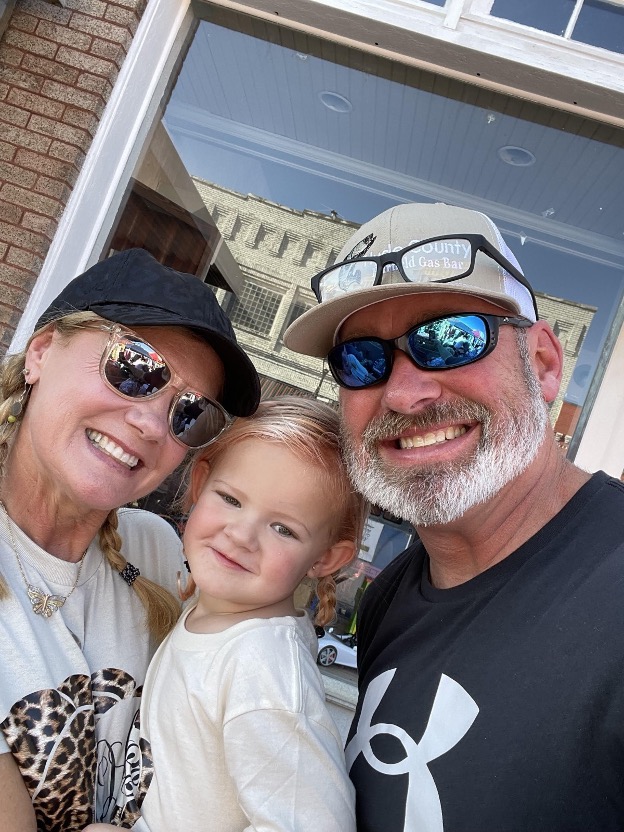
Allen Adeimy (2020 graduate): Reflecting on his transformative journey through the EdD program, Dr. Adeimy attributes much of his success to the invaluable expertise and encouragement he received from faculty and fellow students. The program, he believes, served as a catalyst for unlocking his confidence, enabling him to recognize and embrace his role as an expert in the field. This newfound self-assurance has propelled Dr. Adeimy to contribute to NCSHAPE and UNCG as a dissertation committee member, opportunities he might have overlooked in the past. Dr. Adeimy story stands as a testament to the power of the EdD program in fostering not just knowledge but also the confidence to become a trailblazer in the realm of education.
Callie Phillips (2019 graduate): Reflecting on her EdD program, Dr. Phillips emphasizes the invaluable nature of courses on online teaching. These not only proved essential during the challenges of COVID but continue to enhance her ability to provide a hybrid learning experience for her students. Additionally, the program design elements she enjoyed are now being implemented in her role, providing a solid foundation for her work at St. Andrews University.
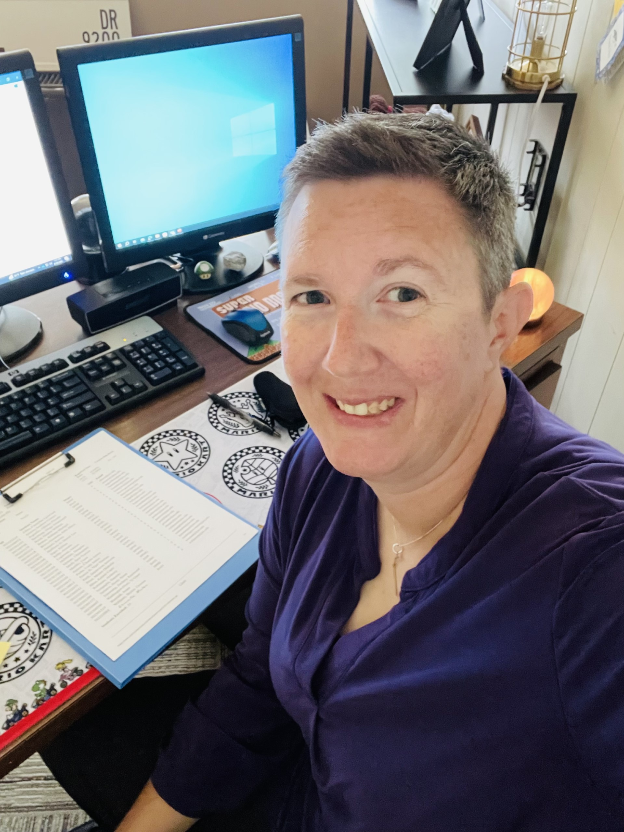
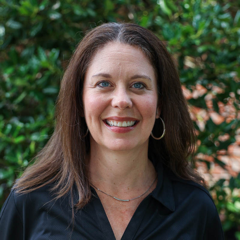
Meaghan Howard: Reflecting on the EdD program, Dr. Howard found the continuous collaboration with others to be a key strength. The program not only instilled in her a strong appreciation for research but also emphasized the importance of incorporating it into teaching. The sense of community within her cohort has been a lasting benefit, with ongoing collaborations and connections in the field. Meaghan now channels this collaborative spirit into her role as she builds and shapes the Kinesiology program at Montreat.
For more information about the Ed.D. program, please visit our website at Ed.D. in KIN.
Posted on February 26, 2024
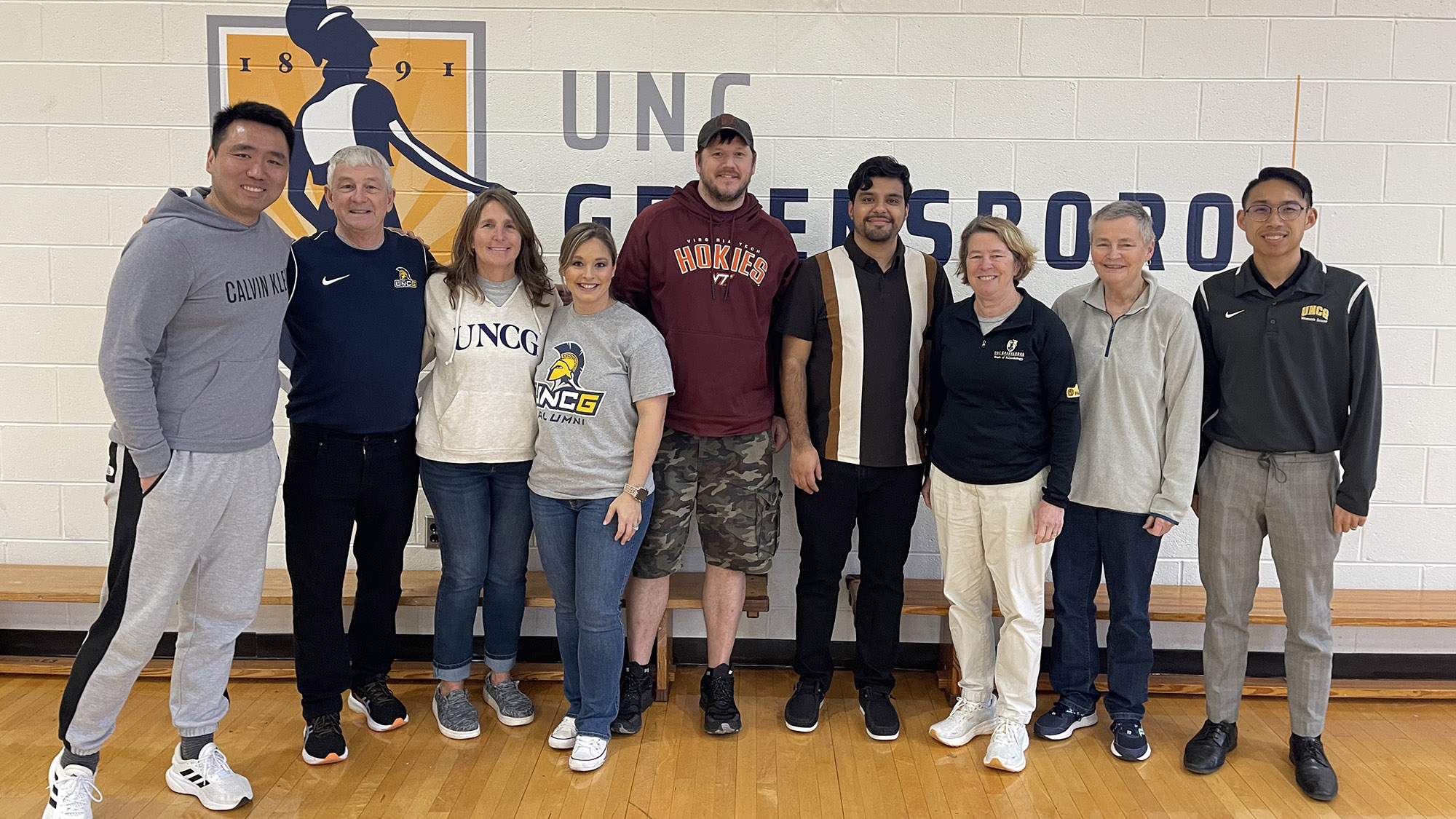
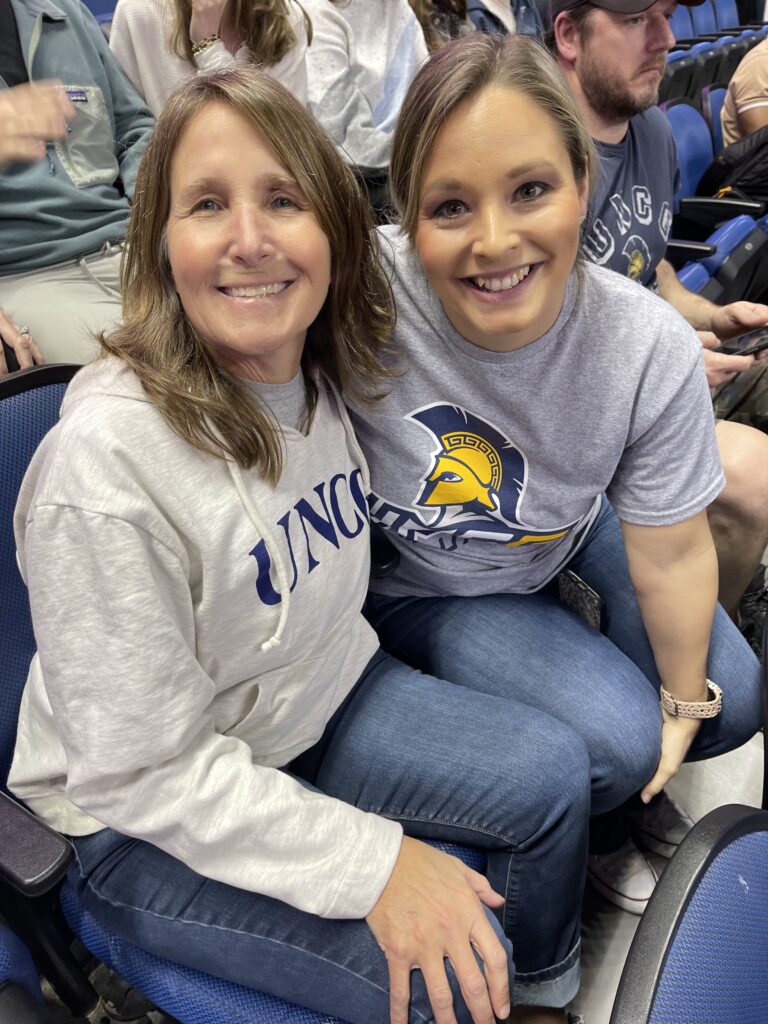
Students, alumni, and faculty members from our EdD in KIN program gathered for a weekend of networking and basketball, accompanied by family and friends. Before the game, participants enjoyed a tailgate in the Coleman Gym, complete with food and music. Among the attendees were Jennifer Etnier, Department Head of the Kinesiology Program, Yanhua “Eddy” Shen, former EdD graduate assistant and KIN PhD alumni, and Brittany Belcher, recent EdD in KIN graduate.
The event provided a perfect opportunity for students and alumni to connect or reconnect with faculty members and peers in the Ed.D. program. Following the tailgate, everyone headed to the Greensboro Coliseum for the UNCG basketball game, where the Spartans faced off against the Chattanooga Mocs in an exciting conference match. UNCG faced a tough battle and fell short. Despite the loss, the overall atmosphere and engagement made the Ed.D. KIN social a resounding success. Plans are already in motion for more future events, and we eagerly anticipate the continued growth of our Ed.D. in KIN family.
For more information about the Ed.D. program, please visit our website at Ed.D. in KIN.
Posted on February 08, 2024

Aging can present new challenges like arthritis, hypertension, and dementia. Scientists continue to explore medications and interventions as treatments and preventatives. A huge focus in research targets risk factors, such as an unhealthy diet, and ways they can be modified. Modifiable risk factors are something an individual can change such as what they eat and drink.
The Centers for Disease Control and Prevention (CDC) recommends making healthy food and drink choices like fruits, vegetables, whole grains, lean meats, low-fat dairy products, and water. The CDC also recommends moving more and sitting less throughout the day which can help prevent, delay, and manage chronic diseases; improve balance and stamina; reduce the risk of falls; and improve brain health.
Remember to visit healthcare providers for preventive services, not just when sick. This can prevent disease or find it early when treatment is more effective. Also, be aware of changes in brain health because everyone’s brain changes as they age, but dementia is not a normal part of aging. See your healthcare provider if you have questions about memory or brain health.
Posted on January 19, 2024

Quality sleep is a fundamental component of a healthy and fulfilling life, especially as we age. Sleep plays a vital role in supporting overall well-being, especially brain health. During the different sleep stages, the brain processes and stores information gathered throughout the day. Research suggests that deep, restorative sleep is essential for the formation of memories and the preservation of cognitive function. So, let’s embrace the power of a good night’s sleep! Here are 5 tips for promoting quality sleep.
1. Establish a Consistent Sleep Schedule. Aim to go to bed and wake up at the same time every day, even on weekends. This helps regulate the body’s internal clock.
2. Create a Comfortable Sleep Environment. Ensure your bedroom is conducive to sleep by keeping it cool, dark, and quiet. The National Sleep Foundation recommends keeping your bedroom temperature between 60 and 67 degrees Fahrenheit for optimal sleep.
3. Limit Stimulants and Screens. Avoid caffeine and electronic devices close to bedtime, as they can interfere with the ability to fall asleep. Consider reading a book or drinking non-caffeinated herbal teas such as chamomile or peppermint, which can have calming effects and may make it easier to drift off to sleep.
4. Mind Your Diet. Be mindful of your food choices and avoid heavy meals close to bedtime. Consider sleep-promoting foods such as cherries which are a natural source of melatonin.
5. Manage Stress. Incorporate relaxation techniques into your routine, such as deep breathing exercises or meditation, to alleviate stress and promote better sleep.

