


To be honest, I thought I’d play for one or two months. But then, I had a really supportive coach and team that kept me going.
Alan Chu
Applied Sport Psychology Professor Studies What Motivates Athletes
Posted on June 08, 2024
Posted on June 08, 2024
To be honest, I thought I’d play for one or two months. But then, I had a really supportive coach and team that kept me going.
Alan Chu
Posted on May 15, 2024

Aging is a complex process that is influenced by a variety of factors including genetics and lifestyle choices. Genes influence various parts of the aging process, including the development of certain diseases and the rate at which physical and cognitive abilities decline. Some people are more genetically predisposed to develop cardiovascular disease, Alzheimer’s disease, and certain cancers. Understanding the interaction of genetics, lifestyle choices, and aging can help individuals make decisions that promote healthy aging.
What You Can’t Control
What You Can Control
Lifestyle choices significantly impact how genetic factors manifest. These choices are within our control and can be modified to promote healthy aging. Here are some lifestyle changes to implement:
While we cannot change genetic inheritance, we can influence how genes affect the aging process through conscious lifestyle choices. Adopting healthy habits can enhance the length and quality of life.
Posted on May 29, 2024

With summer upon us, many people have been working in the garden. While gardening is enjoyed by many, its benefits go beyond the joy of nurturing plants. Gardening offers mental and emotional health benefits, making it a valuable activity. Let’s explore some mental benefits of gardening and then we’ll share a few practical tips for older adults looking to explore this activity.
Mental Benefits of Gardening
Practical Tips for Senior Gardeners
Gardening is a fun and engaging way to promote healthy aging and offers numerous benefits. Participating in gardening can stimulate the mind and enhance emotional well-being, leading to a more fulfilling and joyful life.
Posted on May 28, 2024

I grew up with a very strong curiosity factor. Woman’s College gave me the life skills, education, motivation, and confidence to pursue that curiosity at many levels.
Mary “Bobbi” Miller Carson, class of ’58
Posted on April 30, 2024
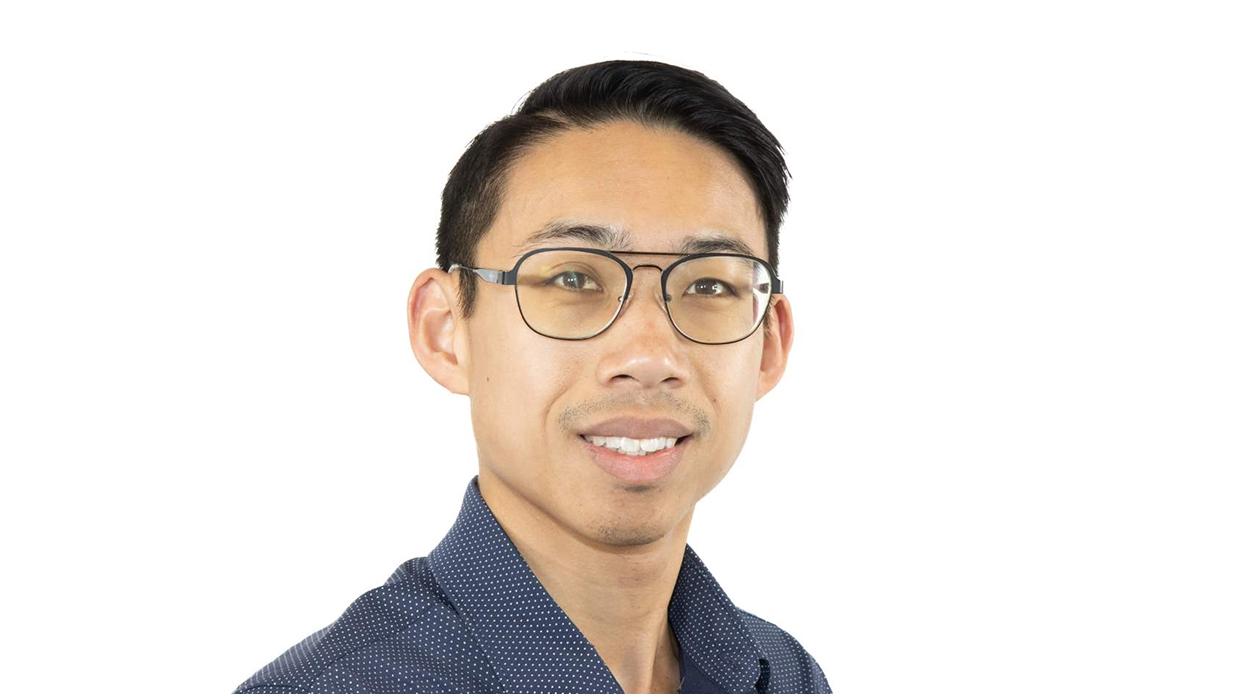
Instead of thinking about yourself being able to run a marathon, it’s seeing and imagining yourself as a runner. When we have that sense of identity, we are more likely to believe we can achieve our goals, rather than doubting ourselves—a vision board is powerful in that sense.
Dr. Alan Chu, Kinesiology Professor
Posted on April 29, 2024

Stretching isn’t reserved for gymnasts and dancers. Stretching offers a heap of advantages for individuals of all ages, particularly contributing to healthy aging and overall physical well-being. Here are some key advantages:
Stretching is a straightforward and accessible approach to supporting healthy aging by enhancing flexibility, mobility, posture, and overall physical and mental well-being. Incorporating stretching into daily routines can significantly enhance quality of life as individuals age, fostering greater vitality and resilience.
Posted on April 18, 2024

Kinesiology Professor Dr. Allan Goldfarb suggests you ice the sore area right after the exercise to cut inflammation. Use heat later to increase blood flow to an area. Heat can also help relieve joint pain.
Posted on April 15, 2024

this wall is packed with invaluable resources, including year-to-year course advising, summer internship opportunities, and extensive information on what medical schools seek in prospective students.
Daniel Araya, biology major
Posted on April 11, 2024
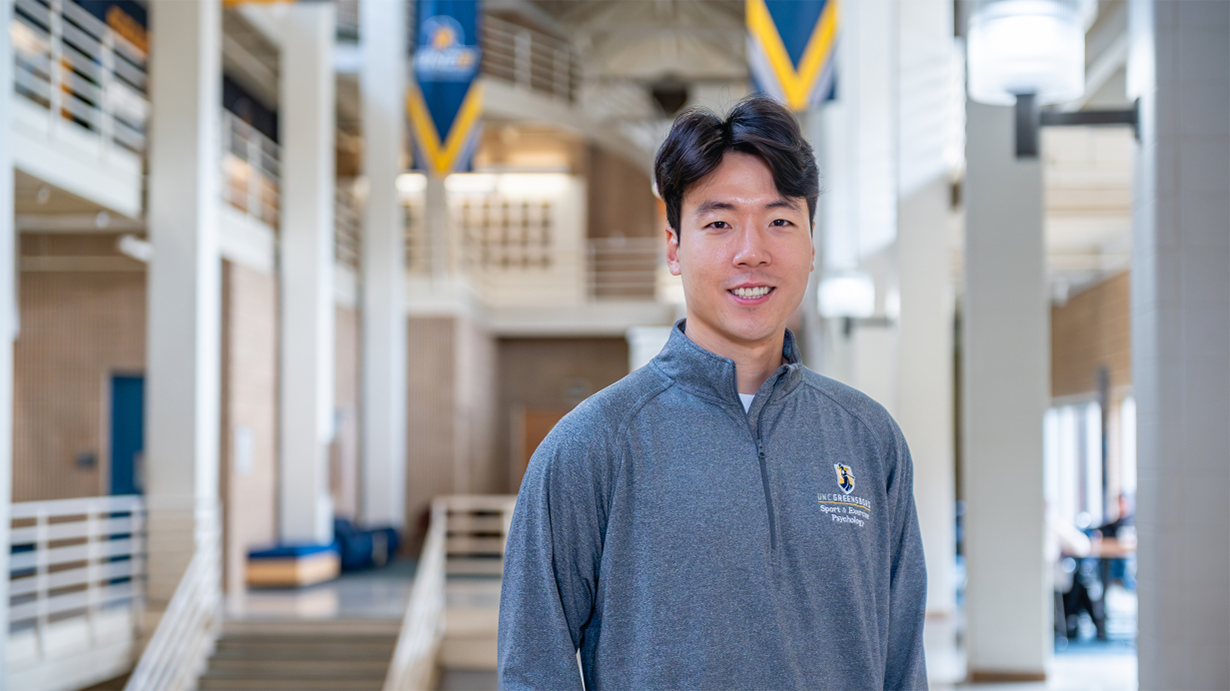
Kinesiology Sport and Exercise doctoral student Yeongjun “Y.J.” Seo was selected as one of four students for the national Outstanding Student Paper Award by the North American Society for the Psychology of Sport & Physical Activity.
The award is extremely competitive. Seo will receive a $200 honorarium and will be recognized at the annual NASPSPA conference.
Seo wrote his paper on, “Exploring Athletic and Exercise Identities in the South Korean Context: A Confirmatory Factor Analysis Approach.”
Posted on April 08, 2024
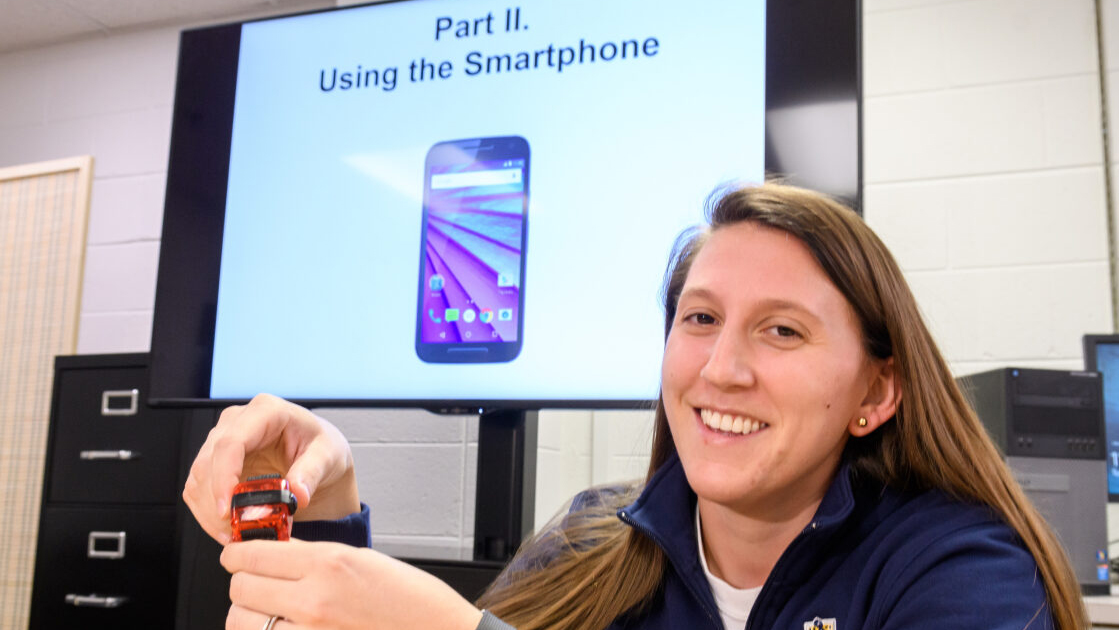
Dr. Jaclyn Maher received the 2024 Early Career Research Excellence Award from UNCG. Her research focuses on hard-to-access populations, including older adults. She received a R15 award from the NIH Institute on Aging for $423,565.

