


PAAD-2 Walks the Walk!
PAAD-2 research studies the protective benefits of exercise against Alzheimer’s disease, so the 2021 Walk to End Alzheimer’s – Guilford County is right up our alley!
PAAD-2 research studies the protective benefits of exercise against Alzheimer’s disease, so the 2021 Walk to End Alzheimer’s – Guilford County is right up our alley!
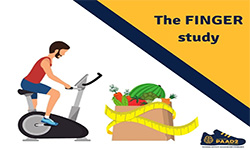
One of the factors that makes the PAAD-2 study unique is that we look at a younger age group, 40-65 years old, than other studies that investigate the link between exercise and brain health.

Researchers were hoping to assess the benefits of whey protein and vitamin D supplementation for middle-aged and older adults who suffer from type 2 diabetes.
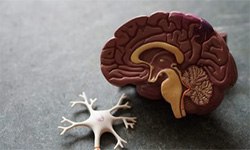
Research shows that healthy lifestyle choices benefit us as we age across the spectrum of wellness – including physical, cognitive, and emotional domains. From AARP’s Staying Sharp program to Dr. Sanjay Gupta’s recent book “Keep Sharp: Build a Better Brain at Any Age,” many resources can help adults build resiliency by staying physically and mentally active.

Research shows that healthy lifestyle choices benefit us as we age across the spectrum of wellness – including physical, cognitive, and emotional domains. From AARP’s Staying Sharp program to Dr. Sanjay Gupta’s recent book “Keep Sharp: Build a Better Brain at Any Age,” many resources can help adults build resiliency by staying physically and mentally active.
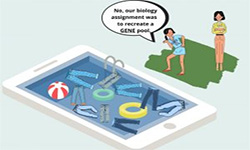
We have tens of thousands of genes in our DNA and out of that massive gene pool a few genes can offer us answers to the mystery that is Alzheimer’s disease (AD). You may have heard about the ApoE gene and how it can predict AD risk.

In honor of the Tokyo Olympics, we wanted to highlight an Olympian affected by Alzheimer’s. Gold medalist Laurie Hernandez has a personal stake in the fight against Alzheimer’s disease — her grandmother was diagnosed during her training for the 2016 Rio Olympics.
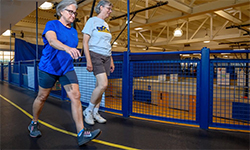
A recent study from the Journal of the American Geriatrics Society sought to examine the relationship between physical activity, specifically step count, and frailty. Over 3,600 older adults wore accelerometers to objectively measure daily step count.

Protein shakes have been used as a muscle-building supplement for a long time, but just how effective are they for older adults? Would a daily protein supplement for older adults help to offset the muscle atrophy associated with aging?
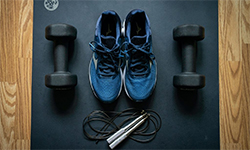
While most people think of lifting heavy weights as the best way to get strong, there are other ways to perform resistance training to increase strength. In fact, researchers recently explored the difference between training with dumbbells and training with elastic bands for older adults.