

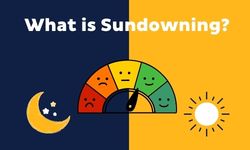
Sundowning, or sundowning syndrome, is a term that refers to behaviors of anxiety, fear, anger, restlessness, and general confusion that occur late in the day. The onset of symptoms occurs when the sun goes down and light fades, hence the name SUN-DOWNing.
Sundowning is very common amongst individuals with dementia, affecting around 20% of people with Alzheimer’s disease, and usually occurs in the middle and later stages of dementia. Symptoms can vary from patient to patient, but it is common for individuals to grow increasingly restless and/or agitated as the night progresses. Although the cause has not been discovered, there are certain factors that increase the risk or severity of sundowning. Some of these factors include insomnia, dehydration, highly stimulating activities throughout the day, regular loud unpredictable noises, and more.
Caregiving for an individual with sundowning syndrome can be very difficult, especially for family caregivers. It is important to contact a physician who can provide guidance on how to manage these symptoms. There are also local resources that may ease caregiver burden by providing respite care or additional tips and information on how to manage sundowning syndrome. Local caregiver support groups are usually a great place to start!
If you or someone you know has a family history of Alzheimer’s, you may be eligible for the PAAD2 study. You could help researcher’s explore the link between exercise and the risk of dementia.